
Do Natural Home Remedies for Seasonal Allergies Really Work?
Modified March 10, 2026
Spring and summer bring more than just warmer weather and sunshine. For around 50 million people in the U.S., it also comes with nasal allergies, according to the Asthma and Allergy Foundation of America. Those budding flowers and pretty green leaves are at the heart of many runny noses each year. The good news is you don’t have to take seasonal allergies lying down. For serious reactions, you’ll want to seek emergency medical attention, but for minor afflictions, home remedies can help you get through the season.
Spring is finally here! That means sunshine, shorts and, possibly, sneezing. Those beautiful flowering bushes and trees that herald the arrival of warmer weather can also mean misery for allergy sufferers. With all of the home remedies out there, you may have heard of the “local honey cure.” The idea is that repeated exposure to small amounts of allergens (in this case, the pollen picked up by the bees making the honey) will help an allergy sufferer build up a tolerance and experience fewer symptoms. Also, honey has been shown to be a cough suppressant, and it has some anti-inflammatory effects. But does that add up to a “cure” for allergies?
The answer is no. The purported beneficial effects of eating local honey have not been reproduced in controlled, scientific studies. This may be because the pollen bees pick up (which ends up in the honey) usually isn’t from the oak, ragweed and juniper plants that are to blame for your sneezing fits. Much of the relief people experience appears to be a placebo effect. For now, think of honey as a sweet treat, not a cure.
Herbal Supplements
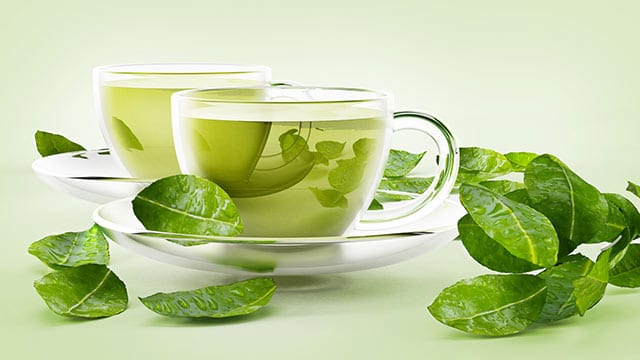
Mother Nature may offer you the best option for fighting allergies. Herbal supplements may work as natural antihistamines to ward off the worst of the symptoms. Try drinking green tea each morning — you’ll need about two cups. Start this ritual at least two weeks before the season begins, and keep it going throughout the warm months.
Butterbur may be effective herbal supplement. The extract from this sunflower may work just as well as many over-the-counter allergy products. Licorice root is a possible choice, although there are no studies to back it up. It may help loosen mucus, so you breathe a little easier.
Some plants, such as butterbur and spirulina, have shown promise in limited studies. As with any herbal remedy, talk to a medical professional before using these or other natural options.
If you are being treated for a chronic medical condition or taking prescription drugs, talk to your healthcare provider before trying any supplement, though. Dietary supplements may interfere with your current care plan.
Flushing Your Sinuses
One of the most proactive home remedies for airborne allergies is something Ayurveda practitioners have been prescribing for centuries. Nasal irrigation washes away potential allergens.
You can buy pre-made solutions and delivery systems at your local drugstore or make your own at home. Just bend over the sink and gently rinse the top nostril. The fluid will push through your nasal cavity and then flush out the other nostril. Another great option? Irrigation not only removes season allergens like pollen, but dust and pet dander, too.
Invest in a Neti Pot
These teapot-like devices flush the nasal cavity with a saline solution and temporarily relieve nasal congestion. Just be sure to use distilled, sterile or filtered water and keep your neti pot very clean.
The Common Sense Approach
You can supplement any remedies with a little common sense. Monitor your local news to see when pollen counts are high and take precautions. Purchase face masks to wear on heavy days or just try to stay in as much as possible. Other tips include:
- Rely more on the air conditioner than the open window to keep your home cool.
- Stay indoors on days that are hot and dry, when the wind is whipping things up like dust and pollen. If you need to get outdoors once in a while during allergy season, wait for a nice rainstorm to wash everything clean.
- If you must go out, change your clothes when you return and shower if possible. That will remove any pollen and dust from your skin, so it doesn’t continue to irritate you.
This includes closing your doors and windows when the pollen count is high, using a dehumidifier, cleaning floors regularly using a vacuum with a HEPA filter, and replacing your home’s air filter with a HEPA filter on a regular basis.
Keep Your Indoor Air Dry
Along with clean air, allergy sufferers benefit from dry air. Invest in a dehumidifier to reduce the amount of moisture in the air in your home.
Limit Outdoor Exposure
Avoid outdoor chores early in the morning when pollen counts are highest, and wear a protective mask during yard work.
Allergy season is inevitable, so look for ways to beat the sniffles instead of suffering this year. If you can’t reduce your seasonal allergy symptoms with home remedies, you do have medical options. If your allergies are severe, consider consulting with a primary care physician who might recommend you visit an allergy specialist for testing. If you think you have a sinus infection or simple seasonal allergies, CareSpot can provide quick and convenient treatment.