
Allergies: What Are They and What Causes Them?
Modified on March 5, 2026
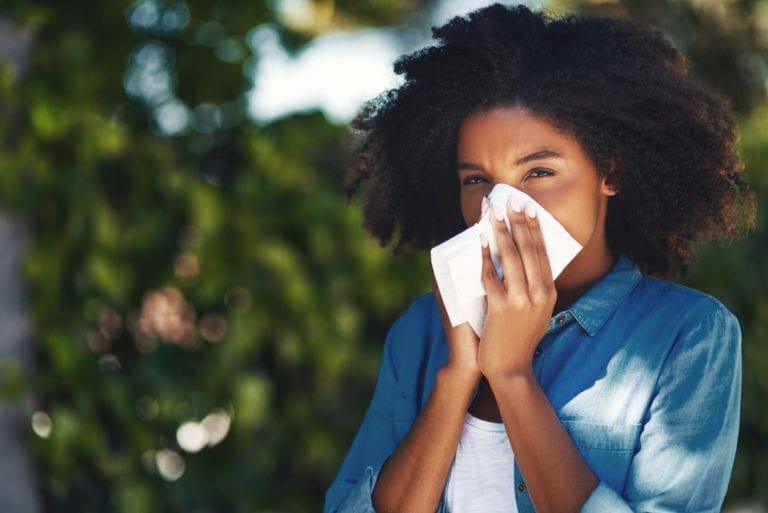
As the weather warms up, allergy season enters overdrive. All that plant pollen floating through the air and sticking to every surface causes many people to experience runny noses, itchy throats and watery eyes. So what causes these allergies anyway? Understanding how allergies work can help you find treatments that work best for you.
Pollen is a Powerful Powder
First and foremost, it is important to understand what pollen is so you know what you’re up against. Just like flour or cumin, pollen is a fine powder and contains the cells of seed plants. Simply put, pollen is the way plants reproduce and it’s carried through the air in huge quantities. If you suffer from allergies, pollen is the allergen you should blame since it can land in your eyes, nose or on your skin.
Understanding the Immune System
The role of the immune system is to protect the body from foreign invaders. There are numerous types of immune system cells that travel throughout the bloodstream. A critical component of the immune system is the ability to determine what is good for your body and what is harming it. When something is detected that could hurt your body, the immune system makes antibodies that attach to the harmful cell. These antibodies signal other cells to attack or destroy the invader.
How Allergies Work
The word “allergy” comes from ancient Greek terms for “other work.” This refers to the tendency of some immune systems to experience abnormal reactions to ‘normal’ items in their environment. Originally, scientists believed that all types of sensitivity were allergic reactions. Now, researchers have discovered the specific cells that contribute to seasonal allergies.
A healthy immune system easily distinguishes between harmless compounds and those that trigger disease. In people with allergies, however, these signals get mixed. Suddenly, objectively harmless compounds — such as pollen — get flagged as harmful invaders. The immune system then creates antibodies to target that particular allergen. This means that the next time you are exposed to the allergen, the immune system attacks.
An immune system response to the allergen involves the release of histamines, which leads to the classic allergy symptoms of sneezing, itchy nose or eyes, runny nose and watery eyes. This reaction persists each and every time you come into contact with the allergen in the future. For people who suffer from seasonal allergies, this histamine response may continue throughout most of the spring season.
Pollen Can Cause Allergies
The allergy to pollen is called hay fever and it’s technically a mistake. This fever occurs when the immune system mistakes a harmless airborne substance as a threat and treats it as an invader. The allergic reaction begins in the immune system, which protects us from invading organisms that can cause illness. Common allergy symptoms include watery and itchy eyes, runny nose, sneezing and sometimes headaches. If you suffer from hay fever, you could be be affected by the pollen in different plants such as grasses, trees and weeds.
Every Season is Pollen Season
Sorry guys, pollen isn’t just a Spring Fling. Symptoms of hay fever can start at many different times of the year. In springtime, pollen might begin its release in January and extend to May. Springtime pollen mainly comes from trees, such as elm and pine. The amount of pollen released in the air depends on your climate and location. Summertime pollen comes from grass and is released between May and August. In the fall, pollen comes from weeds, such as ragweed, and it ends in October or November.
Depending on where you live, the allergy pollen count may vary and can affect your sensitivity and allergic reactions. You can track the pollen levels in your area to help you manage your allergies. If you’re planning a trip, remember to not only check the weather forecast, but the allergy forecast as well.
Could It Be COVID-19?
The good news is…probably not. Seasonal allergies can bring some symptoms that appear similar to those of COVID-19, including fatigue and sore throat. But the major symptoms for each do not really overlap.
The most common COVID-19 symptoms include cough, fever and shortness of breath, which don’t usually happen with allergies. More common allergy symptoms include sneezing and itchy, watery eyes; those two things don’t usually happen with COVID-19.
Still not sure? Check out this Venn diagram from the CDC to better understand your symptoms.
How Allergy Medications Help
Fortunately, there are medications that prevent the immune system overreaction from occurring. Many allergy medications are antihistamines, which block the histamines being released by your body. This prevents you from developing the allergic response. Antihistamine medications are available in over-the-counter or prescription format. Your medical care provider can help you determine which medications are most appropriate for your allergies.
Tackle Your Allergies
Sorry guys, pollen isn’t just a Spring Fling. Symptoms of hay fever can start at many different times of the year. In springtime, pollen might begin its release in January and extend to May. Springtime pollen mainly comes from trees, such as elm and pine. The amount of pollen released in the air depends on your climate and location. Summertime pollen comes from grass and is released between May and August. In the fall, pollen comes from weeds, such as ragweed, and it ends in October or November.
Depending on where you live, the allergy pollen count may vary and can affect your sensitivity and allergic reactions. You can track the pollen levels in your area to help you manage your allergies. If you’re planning a trip, remember to not only check the weather forecast, but the allergy forecast as well.
If you have been suffering from a stuffy nose or congestion for a period of time, keep an eye on it as it might turn into a sinus infection. If it does, visit an urgent care center near you to help get you back on your feet and enjoy the beautiful spring weather.