
Can Sleep Tracking Apps Help You Get a Better Night’s Sleep?
Modified March 30, 2026
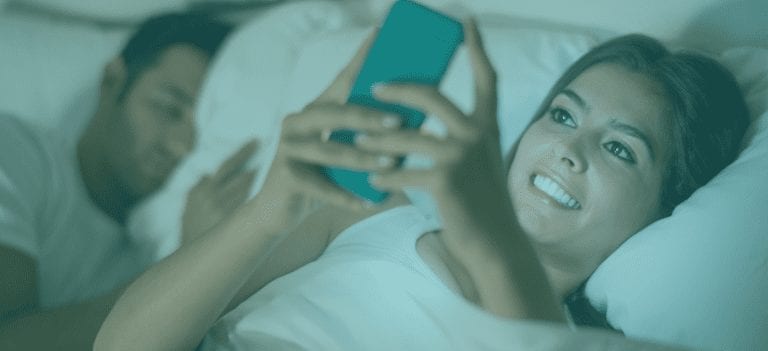
You probably know the feeling: you feel like you’ve had a full night’s sleep, but you wake up in the morning still groggy and tired. Since you may already keep your phone nearby while you sleep, using a sleep tracking app might seem like a good way to analyze your overall sleep habits. Sleep tracking apps attempt to put people more in sync with their bodies and their sleep cycles. But are these sleep tracking apps and devices really accurate?
USA: A Sleep-Deprived Country
According to the National Center on Sleep Disorders, about 70 million people across the United States complain of problems related to sleep. (So if that sounds all too familiar to you, you aren’t alone!) About 60 percent of those who experience sleep issues could have a chronic disorder. When you couple those statistics with the fact that almost two-thirds of the country’s population uses smartphones, it’s easy to see how sleep tracking devices and apps are so popular! However, could smartphones be hurting your sleep more than helping it?
Are Sleep Tracking Apps and Devices Accurate?
You probably already rely on smartphone apps to help you with daily tasks: getting to a new destination without getting lost, finding a great deal online, or ordering takeout with ease and accuracy. When it comes to measuring your REM and light sleep, though, the premise behind sleep tracking apps could be fundamentally wrong.
Limitations of Sleep Tracking Apps
A drawback of these apps is the fact that they are based on the “average” human sleep cycle. Their goal is to help you wake up gradually without interrupting a sleep stage, since an interruption can cause you to feel groggy. However, no two people’s sleep cycles are exactly the same, and rarely do they match the 90-minute standards used by most of these apps.
One study found that about 70 percent of participants’ sleep cycles were as much as 20 minutes longer or shorter than the 90-minute average. Sleep researchers know that slow-wave sleep is most dominant in the first half of your sleep. However, the popular app “Sleep Time” incorrectly calculated people’s sleep stages much of the time. For example, the Sleep Time app underestimated light sleep by nearly 30 percent while it overestimated deep sleep by 11 percent.
Using an app on your phone to determine sleep patterns is flawed for another reason. Most people have multiple wake and active periods during the night that they might not even remember. You could be laying perfectly still in bed but be wide awake — and the sleep app or device might not be able to judge the difference. It might even note that you were awake longer than you actually were, leading you to believe that you’ve pinpointed the reason for your daytime drowsiness.
Regardless of if you’re using an app on your phone or a wearable device to track your sleep, these devices don’t measure the activity in your brain. Your brain activity is the only true measure of your sleep health: it changes accordingly as you’re experiencing deep state sleep, or slow-wave sleep. Qualified medical professionals are ultimately the best source for assessing and diagnosing your current sleep health.
Activity Tracking and Your Sleep Cycles
Whether you use a smartphone app or a wearable device, you can use their information to gain insight into your sleep cycles, and the amount of time you move around each night. But for some individuals, all that extra information can actually cause sleep anxiety and lead to false conclusions about having a sleep disorder. It’s a tough dilemma: you want a better night’s rest, but is it worth all this work? Some argue you’d be better off channeling that energy into just relaxing before bed — without electronic devices (and their bright screens) competing for your attention.
How to Get a Good Night’s Sleep
It’s better to think of a sleep tracking app as a tool to help you change your sleep habits, not a method to diagnose sleep disorders. That kind of medical diagnosis is best left to healthcare professionals with proper training to interpret your readings of light sleep and delta sleep. While knowing your sleep cycles and how much your body moved during those cycles is good information, your smartphone’s better use may be for bedtime alerts — that is, alerts that tell you it’s time to start winding down and getting into bed at a regular time each night. Also, a REM sleep alarm can help ensure that you are in the lightest sleep stage possible upon waking. This can help prevent grogginess and improve your overall sleep health!
If you suspect that your sleep cycles are contributing negatively to your health, consult with a healthcare professional. Your healthcare provider can help you determine whether further analysis is needed to make sure you’re getting get the most restful sleep possible. Here’s to more bright-eyed mornings!