
Recommended Vaccines for Adults
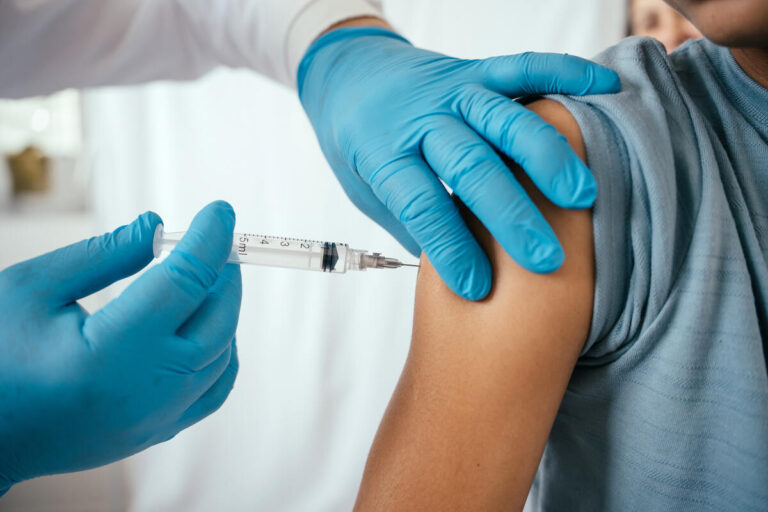
Staying up to date on recommended vaccines is an important part of taking care of your health at every age. While many people think of vaccines as something you only need as a child, adults need immunizations too. Some vaccines require boosters over time, while others may be recommended based on your age, health history, job, travel plans, pregnancy status, or other risk factors. Adult vaccinations can help protect you from serious illnesses like the flu, COVID-19, shingles, pneumonia, tetanus, whooping cough, hepatitis, measles, and more. They can also help protect the people around you, including young children, older family members, pregnant loved ones, and anyone with a weakened immune system.
There is no one-size-fits-all vaccine schedule for every adult. Your age, vaccine records, health history, travel plans, and day-to-day risks can all make a difference. Here’s a helpful overview of common recommended immunizations for adults and when you may need them.
Routine Vaccines Every Adult Needs
The flu vaccine is recommended every year for most adults. Flu viruses can change from season to season, which is why the vaccine is updated each year. Getting your annual flu shot can help lower your risk of getting seriously sick from the flu. Flu vaccination is especially important for adults 65 and older, pregnant people, people with chronic conditions, healthcare workers, and anyone who lives with or cares for someone at higher risk. Because flu season often begins in the fall and can last into spring, many adults choose to get their flu shot in early fall. However, getting vaccinated later in the season can still offer protection.
Tdap/Td Vaccine: Tetanus, Diphtheria, and Whooping Cough
Adults should receive a Tdap vaccine if they did not get one as a teen or adult. After that, adults typically need a Td or Tdap booster every 10 years. Tdap helps protect against tetanus, diphtheria, and pertussis, also known as whooping cough. Tetanus can enter the body through cuts or wounds, which is one reason staying current on your booster is important. Pregnant people are also recommended to receive Tdap during each pregnancy to help protect their baby from whooping cough. If you have a deep cut, puncture wound, burn, or other injury, a healthcare provider may ask when you last had a tetanus shot and recommend a booster sooner depending on the situation.
COVID-19 Vaccine: Staying Up-to-Date
COVID-19 vaccine recommendations can change as new variants circulate and updated vaccines become available. Adults should speak with a healthcare provider or pharmacist about whether they are due for the current COVID-19 vaccine. Staying up to date can be especially important for adults 65 and older, people at higher risk for severe illness, people who are immunocompromised, pregnant people, and those living in long-term care settings. If you are wondering when to get your next COVID booster, start by checking the latest guidance and talking with a healthcare provider about your personal risk factors.
Age-Specific Vaccine Recommendations
Adults Aged 19–26
Young adults may need vaccines they missed during childhood or adolescence. This can include HPV, MMR, varicella, hepatitis A, hepatitis B, meningococcal, flu, COVID-19, and Tdap. The HPV vaccine is commonly recommended through age 26 if the series was not completed earlier. MMR may be needed if you do not have proof of immunity to measles, mumps, and rubella. Varicella vaccination may be recommended if you never had chickenpox or were not previously vaccinated. This is also a good time to review vaccine records before college, graduate school, healthcare training, military service, or international travel.
Adults Aged 27–49
Adults in this age range should continue routine vaccines like flu, COVID-19, and Td/Tdap boosters. You may also need additional vaccines based on your health, job, lifestyle, or travel plans. Some adults ages 27–45 may choose to receive the HPV vaccine after discussing their personal risk and potential benefit with a healthcare provider. Hepatitis B vaccination is also recommended for many adults and may be especially important for people with certain health risks, occupational exposure, or lifestyle factors. If you are not sure what you received as a child, a wellness visit can be a good opportunity to review your immunization history and talk through next steps.
Adults Aged 50 and Older
Vaccine needs can change as you get older. Adults 50 and older should ask about shingles and pneumococcal vaccination, in addition to staying current on flu, COVID-19, and Td/Tdap boosters. The shingles vaccine is recommended for most adults age 50 and older. Shingles is caused by the same virus that causes chickenpox and can lead to a painful rash and long-lasting nerve pain. Pneumococcal vaccination is also recommended for adults 50 and older who have not previously received a pneumococcal conjugate vaccine or whose vaccine history is unknown.
Adults Aged 65 and Older
Adults 65 and older are at higher risk for complications from certain infections, including flu, COVID-19, RSV, and pneumococcal disease. That makes staying current on recommended vaccines especially important. In addition to an annual flu shot and routine boosters, older adults should talk with a healthcare provider about pneumococcal vaccines, RSV vaccine, shingles vaccine, and the current COVID-19 vaccine.
Vaccines Recommended Based on Risk Factors
Chronic Health Conditions
Adults with certain health conditions may be more likely to develop complications from infections. This can include people with diabetes, heart disease, chronic lung disease such as COPD or asthma, liver disease, kidney disease, HIV, cancer, or weakened immune systems. A healthcare provider can help determine what is appropriate for your situation.
Certain Occupations
Some jobs may increase the risk of exposure to certain illnesses. Healthcare workers, first responders, childcare workers, laboratory personnel, and people who work in certain public-facing roles may have additional vaccine recommendations. Depending on the job and exposure risk, this may include hepatitis B, MMR, varicella, flu, COVID-19, meningococcal, or other vaccines.
Travel Destinations
Travel can change your vaccine needs. Depending on your destination, you may need vaccines for hepatitis A, hepatitis B, typhoid, yellow fever, Japanese encephalitis, meningococcal disease, rabies, or other illnesses. If you are planning international travel, it is best to schedule a travel medicine visit several weeks before your trip. This gives your body time to build protection and allows enough time for vaccines that require more than one dose. CareSpot offers travel medicine services to help patients prepare for upcoming trips.
Lifestyle Factors
Lifestyle factors can also affect which vaccines may be recommended. This can include living in a group setting, attending college, having certain sexual health risks, using injection drugs, or being in close contact with someone who has a weakened immune system. A healthcare provider can talk through your personal risk factors in a judgment-free way and help you understand which vaccines may be recommended.
Pregnancy and Postpartum
Pregnancy can affect vaccine recommendations. Flu and Tdap are commonly recommended during pregnancy, and COVID-19 vaccination may also be recommended based on current guidance and individual risk. RSV vaccination may be recommended during a specific window of pregnancy to help protect the baby after birth. Some vaccines are not recommended during pregnancy, so it is important to speak with a healthcare provider if you are pregnant, trying to become pregnant, or recently postpartum.
Understanding Specific Adult Vaccines
Human Papillomavirus Vaccine
The HPV vaccine helps protect against human papillomavirus, which is linked to several types of cancer. It is routinely recommended for adolescents but may also be recommended for adults who did not complete the series when they were younger.
Measles, Mumps, Rubella Vaccine
The MMR vaccine protects against measles, mumps, and rubella. Adults may need MMR vaccination if they do not have evidence of immunity. This can be especially important for international travel, college students, healthcare workers, and during outbreaks. If you have questions about measles or the MMR vaccine, CareSpot has additional resources available.
Varicella Vaccine
The varicella vaccine protects against chickenpox. Adults who never had chickenpox and were not vaccinated may need this vaccine. Because shingles is caused by the same virus later reactivating in the body, adults should also ask about shingles vaccination when they become eligible.
Hepatitis A and Hepatitis B Vaccines
Hepatitis A and B vaccines protect against viruses that affect the liver. These vaccines may be recommended based on your age, health history, job exposure, lifestyle factors, or travel plans.
Pneumococcal Vaccines
Pneumococcal vaccines help protect against infections that can cause pneumonia, meningitis, and bloodstream infections. They are commonly recommended for older adults and for younger adults with certain health conditions or risk factors. Because pneumococcal vaccine options and timing can depend on what you have already received, a healthcare provider can help determine your next step.
Meningococcal Vaccines
Meningococcal vaccines help protect against certain types of meningitis and bloodstream infections. They may be recommended for college students living in dorms, military recruits, travelers to certain areas, people with specific medical conditions, or those at increased risk during an outbreak.
Respiratory Syncytial Virus Vaccine
RSV is a respiratory virus that can be serious for older adults and people with certain health conditions. RSV vaccination is recommended for adults in certain age and risk groups. It may also be recommended during pregnancy during a specific window to help protect infants after birth.
Consulting Your Healthcare Provider
Vaccine recommendations can change over time, and your personal needs may change too. The best place to start is by reviewing your vaccine history with a healthcare provider. If you are not sure which adult vaccinations you need, bring any vaccine records you have to your visit. A provider can help review your history, discuss your risk factors, and recommend next steps. You do not have to wait until you are sick to visit CareSpot. Our centers support a variety of wellness and preventive care needs, including wellness checks, urgent care visits, and select vaccines and immunizations. Whether you are due for your annual flu shot, wondering about Tdap frequency for adults, preparing for travel, or asking when to get your next COVID booster, it is worth taking time to review your vaccine history.
Find a CareSpot location near you or explore our urgent care, wellness checks, MMR vaccine, and travel medicine services to learn more.