
Tricks for Treating and Avoiding Poison Ivy | CareSpot Urgent Care
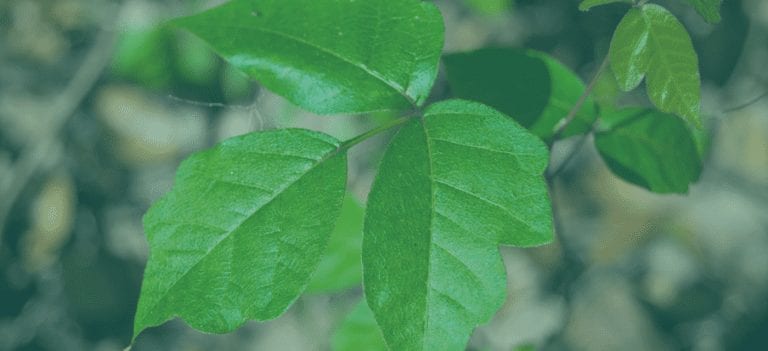
Adults and children need to be aware of poison ivy, poison oak, and other plants that may cause discomfort or an allergic reaction.
Tricks for Treating Poison Ivy and Poison Oak
Maybe you’ve heard the phrase, “Leaves of three, let it be.”
That common saying refers to a plant grown in areas that are home to 85% of the U.S. population — poison ivy.
But avoiding poison ivy and its rash can be more complicated than simply avoiding plants with three leaves.
What Do Poison Ivy and Poison Oak Look Like?
Have you ever experienced a rash or annoying itch after walking through the woods? You most likely brushed up against a plant called poison ivy or poison oak. This unpleasant sensation is typically characterized by redness, itching and blistering known as contact dermatitis. While it doesn’t necessarily develop in everyone exposed to the plant’s oils, symptoms will appear for most people within 12 to 48 hours of exposure. It usually lasts up the three weeks.
The stubborn oil remains on clothing, animal fur, and other surfaces long after first contact. Thankfully, contact with the rash after proper treatment will not spread it to another person. Poison ivy and poison oak rashes are frustrating and uncomfortable, but luckily they aren’t usually dangerous or life threatening — and recommended treatment is the same.
Poison ivy is a plant that grows in most North American regions with only a few exceptions (like the Arizona desert). It is often confused with two plants that cause a similar rash: poison oak and poison sumac. These three plants can be identified by their leaves:
Poison Ivy
Most types have three pointed leaves that change color with the seasons. The leaves are typically glossy and can have smooth or toothed edges. On the west coast, the plant grows as a vine, but in the east, it is more likely to be a shrub. It has greenish-white blooms and whitish-yellow berries.
Poison Oak
This plant has fuzzy green leaves, usually three in a cluster. The leaves may be lobed or have rounded tips, and they tend to be heavily veined. Like poison ivy, poison oak can grow as a shrub or as a long vine. This plant sometimes produces yellow-white berries.
Poison Sumac
This plant looks more like a small tree. The leaf clusters have up to 13 distinct leaflets, and it can grow a whitish-green fruit.
Poison Ivy Treatment Options
Prevention is the best tool when it comes to fighting poison ivy. If you enjoy hiking or other outdoor activities that could involve exposure, plan to wear a long-sleeved shirt and long pants to reduce your risk of contact. A hat and closed toed shoes will protect other at-risk areas.
There are a few easy home treatments for contact dermatitis from poison ivy or poison oak. After first contact, you can lightly apply rubbing alcohol to dissolve the oils, then follow with a shower.
If you suspect that you or a pet have been in contact with poison ivy, wash the skin, preferably within 30 minutes of exposure. Use soap to remove the oil from the plant and then rinse. Repeat this step again just to ensure you thoroughly clean the skin.
Be sure to wash under the fingernails in addition to the spots that itch on your skin, since scratching the rash can carry the oils from one location to another.
Apply an over-the-counter poison ivy lotion barrier cream with zinc to keep the oil from penetrating the skin after cleaning. If the rash develops, use cold compresses and an oatmeal bath to soothe the irritated skin. Apply a homemade poison ivy remedy made from baking soda and water to help, as well.
After thoroughly washing, calamine lotion or a poison ivy/oak cream can be used to alleviate swelling and itchiness. Children are particularly apt to scratch at itchy areas, which can make the condition worse. Aloe vera gel is another safe option for treating poison ivy and poison oak.
A poison ivy rash is extremely common, especially during the summer. Most likely it will take a combination of treatments along with a little time to reduce the itch and the tendency to scratch, which opens up the skin.
Be Aware of Poison Ivy and Poison Oak
Adults and children need to be aware of poison ivy, poison oak, and other plants that may cause discomfort or an allergic reaction — the tips above are a great start! When natural treatments do not offer enough relief, poison ivy and oak remedies, such as steroid drugs and/or antibiotics may be prescribed.
If you develop a fever, signs of infection or have problems breathing, get medical help immediately. If symptoms persist or a severe reaction develops, contact a healthcare professional at CareSpot Urgent Care for additional information and treatment options.